Craft Smarter with Tripcopus: A Sans Serif Font Built for Makers
If you sell handmade goods, design printables, or run a small shop, you already know that the right typeface can make or break a product. It’s not just about picking something pretty—it’s about choosing a font that holds up on a sticker, reads clearly on a candle label, and gives your customers that instant feeling of quality. That’s exactly where Tripcopus shines. This friendly sans serif font walks the line between smooth curves and sharp edges, giving you a look that feels approachable but polished. Whether you are working on wedding invitations, farmhouse signs, or digital downloads, Tripcopus is the kind of typeface that adapts to your vision without demanding extra effort.
The Visual Personality of Tripcopus
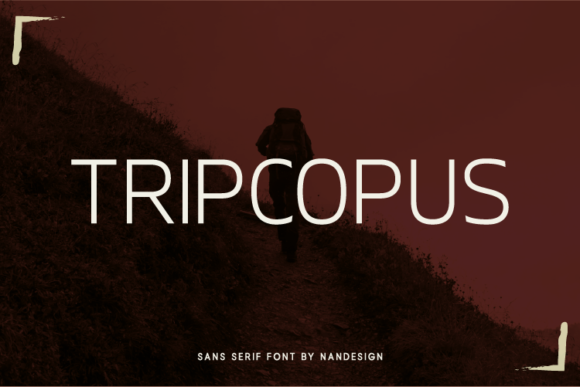
At first glance, Tripcopus feels warm and modern. It has a rounded softness that keeps it from looking too rigid, yet there is enough clean structure to keep it professional. The mix of smooth and sharp details gives each letter character without sacrificing readability. For a sans serif font, that balance is rare. Many sans serif fonts lean too industrial or too childish. Tripcopus avoids both extremes. It feels like a friendly conversation—welcoming but not overly casual. That makes it a strong choice for product categories where trust and personality matter, like handmade labels, boutique tags, and stationery sets.
Where Tripcopus Works Best in Product Design
As a maker, you need fonts that perform across different mediums. Tripcopus is especially effective for short phrases, names, titles, and decorative wording. It was designed with display use in mind, but its clear letterforms also hold up surprisingly well on smaller labels and stickers. Here are a few real-world applications where Tripcopus can elevate your work:
- Candle labels and jar tags – The rounded letters keep scent names and small text legible, even on curved surfaces.
- Birthday and wedding invitations – Use it for headers, couple names, or the main event details. The smooth-sharp contrast adds a subtle handmade feel.
- Farmhouse signs and wall art – Whether you’re selling SVG cut files or printed wooden signs, Tripcopus gives you a modern rustic look that suits home décor buyers.
- Planner pages and printable templates – Its readability makes it a smart choice for headers, days of the week, or motivational quotes.
- Product packaging and gift tags – Small shop owners can rely on Tripcopus to maintain brand consistency across boxes, tissue paper, and hang tags.
- Mugs, shirts, and tote bags – When you are heat-pressing or screen printing, the clean strokes help avoid bleed and keep text crisp.
How Tripcopus Affects Product Presentation and Perceived Quality
Your font choice directly influences how customers feel about your product. A font that is hard to read on a small sticker can make your item look amateur. A font that feels too cold can make a wedding invitation lose its emotional appeal. Tripcopus solves both problems. Its friendly sans serif style projects warmth and reliability. When a buyer sees Tripcopus on a product label, they subconsciously register that you care about details. That translates into trust and repeat purchases. For craft sellers who want to build brand identity without hiring a designer, Tripcopus acts like a shortcut to a cohesive look. Using it consistently across your shop—from banners to product photos—helps customers recognize your work instantly.
Readability and Practical Considerations for Cutting Machines
If you use a Cricut or Silhouette to cut vinyl or paper, you know that not all fonts cut cleanly. Thin serifs can break, and overly tight letter spacing can cause weeding nightmares. Tripcopus is a sans serif font with balanced stroke widths, which means it cuts smoothly and weeds without frustration. Its friendly curves don’t create too many closed loops, so small letters like “e” and “a” remain intact. For printed stickers, the font’s readability at small sizes (think 0.5-inch text) is a huge advantage. You can reduce it down for tiny labels without losing legibility. And when you blow it up for large sign headers, the sharp details still stand out.
Font Pairing Ideas with Tripcopus
One of the best ways to make your designs feel intentional is to pair Tripcopus with a second font. Because Tripcopus is a friendly sans serif, it plays well with both script fonts and handwritten fonts. For a wedding invitation, try setting the couple’s names in a flowing script and the event details in Tripcopus—the contrast adds elegance without looking mismatched. For a farmhouse sign, pair Tripcopus with a bold display font for the main word, then use Tripcopus for the secondary text. If you are creating a logo for your shop, using Tripcopus alone works well because its personality doesn’t need a companion. But a simple serif font can also ground it when you want a more traditional feel. Experiment with different weights and sizes to find combinations that reflect your brand’s voice.
What to Look for in the Font Files
Before you download Tripcopus, check what’s included in the package. Most premium fonts come with standard file formats like OTF, TTF, and WOFF, which cover everything from print to web use. If you design templates for sale, having a variety of formats ensures your customers can install the font on any device. Also look for multilingual support if you sell to an international audience—accents and special characters expand your market. Some fonts include stylistic alternates or ligatures, which can add a custom touch to your designs without extra work. Even if Tripcopus doesn’t include swashes, its core letterforms are distinctive enough to carry a project on their own.
Commercial Licensing: What Every Maker Needs to Know
When you use Tripcopus in products you sell, the type of license matters. Most commercial fonts require you to purchase a license that covers physical products, digital downloads, or templates. If you plan to sell printables, SVG files, or editable templates on Etsy or Creative Market, make sure the license explicitly allows that use. Some licenses restrict the number of end users or require an extended license for certain applications. For handmade sellers making physical items like mugs, shirts, and signs, a standard commercial license usually covers you. But if you are designing logos for clients or embedding the font in software, you may need a different tier. Always read the terms so you can create with confidence and respect the designer’s work.
Design Assets That Work Alongside Tripcopus
Building a brand identity around Tripcopus is easy because it complements many design assets. Use it with subtle watercolor backgrounds for a soft, romantic look. Pair it with geometric shapes for modern packaging. Because it is a sans serif font, it doesn’t fight for attention—it works with your graphics instead of overwhelming them. Whether you are making social media graphics for your shop or mockups for your portfolio, Tripcopus gives you a consistent voice that customers will recognize. And because it feels both friendly and professional, it fits a wide range of niches, from baby shower invites to rustic home décor.
A Final Practical Note for Your Craft Projects
When you start using Tripcopus, test it on a few different product types before committing to a full launch. Print it at small and large sizes. Cut a sample in vinyl. See how it looks on a mockup of a tote bag or greeting card. This short testing phase can save you from surprises later. The beauty of Tripcopus is that it rarely disappoints, but every project has its own constraints. Once you see how smoothly it works across your products, you’ll likely find yourself reaching for it again and again. That’s the mark of a good typeface—it becomes a reliable tool in your creative kit.